

Criteria on the req, not in heads
The bar is a document anyone can read and leadership can change once, everywhere, on purpose.
At enterprise scale the risk is not a bad hire, it is a thousand inconsistent ones. Arbi puts the hiring bar in writing, applies it to every candidate in every region, and keeps the evidence behind every decision.
Join the next generation of companies hiring smarter, faster, and on autopilot with Arbi.
Case StudiesA hiring process that lives in people's heads works at ten recruiters and drifts at a hundred. Arbi makes the process something you can read.
The hiring manager's intake becomes written criteria on the requisition, visible to everyone who screens against it.
Every applicant is read against those criteria in minutes, with a recorded verdict and the lines it was based on.
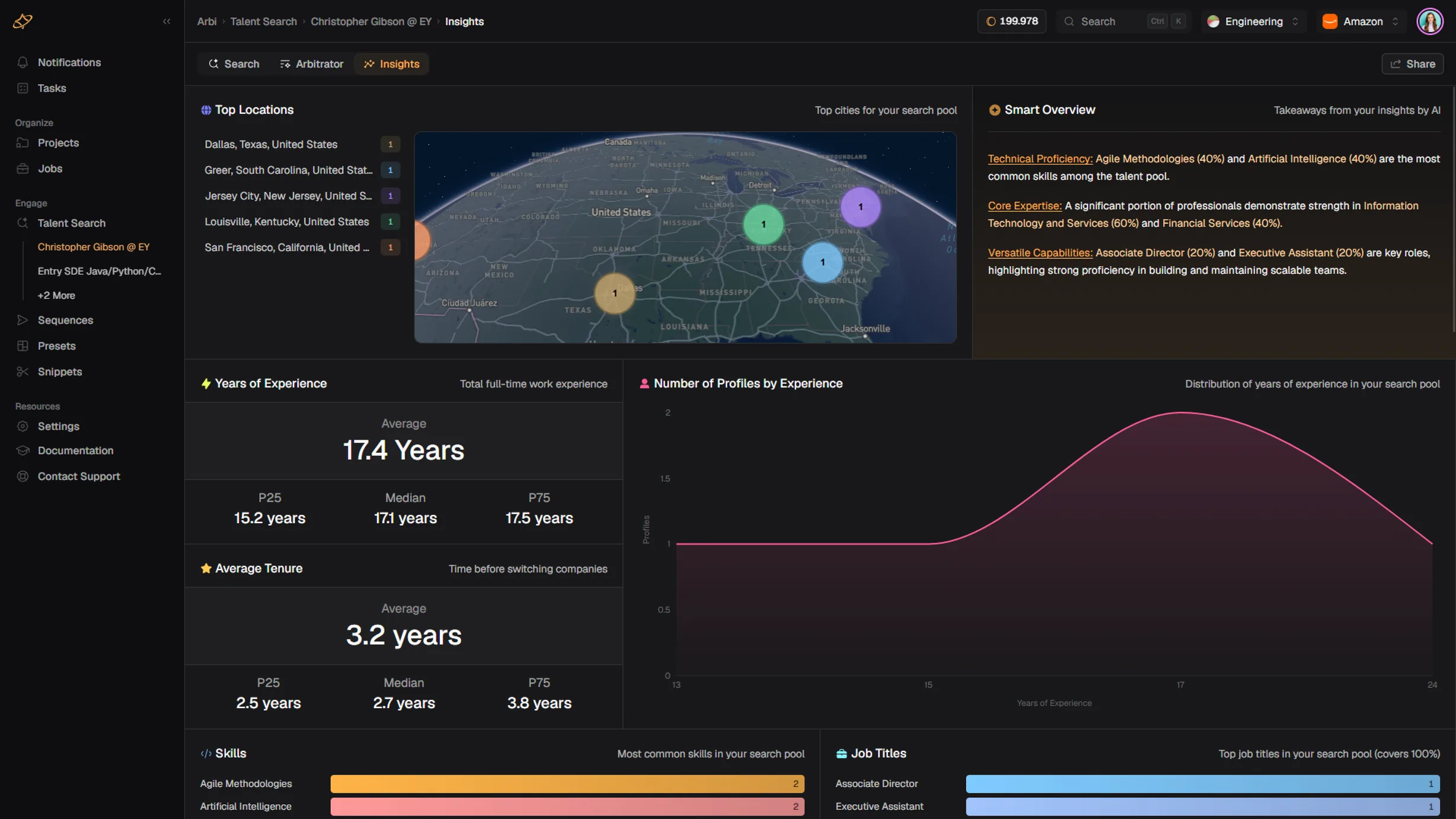
Where the pipeline runs thin, Arbi searches the market and returns ranked candidates with verified contact details.
Panels and leadership see the same criteria and the same proof, so the decision travels through the org without losing its reasons.
Most enterprises have a hiring standard the way they have a culture: everyone points at it, nobody can read it. Arbi turns each role's bar into written criteria that screen every candidate the same way, in every office, on every shift.
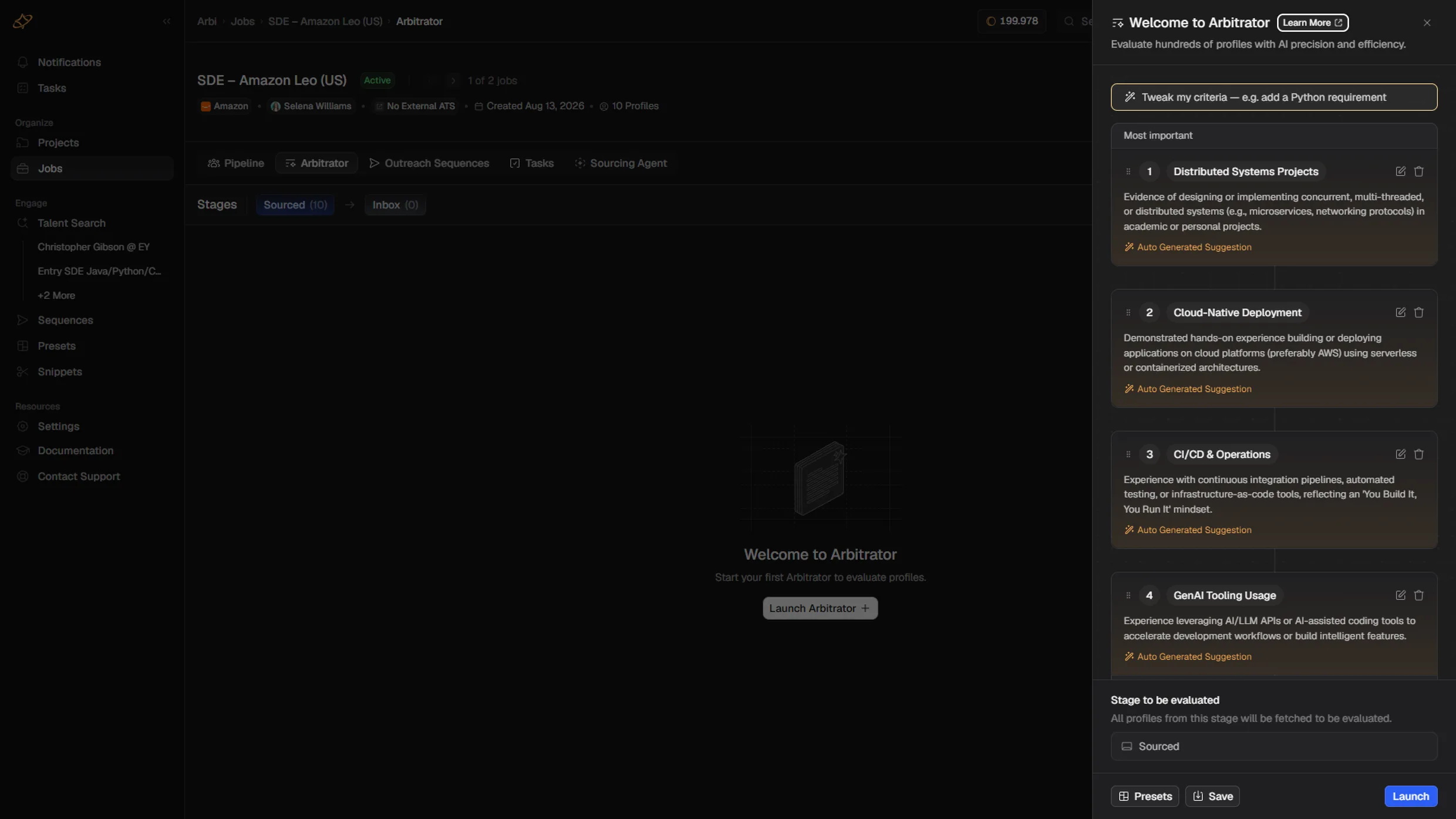
The bar is a document anyone can read and leadership can change once, everywhere, on purpose.
Two recruiters on two continents reach the same shortlist, because they are reading the same criteria.
Every verdict records what was decided and why, so compliance reviews read a log instead of reconstructing one.

“Consistency was the thing we could never evidence to a client. Now the criteria are written down, the verdicts are recorded against them, and I can show you exactly why any given person did or did not advance.”

Departments run their own requisitions, sequences, and reviewers while leadership sees a single view of the funnel and the bar.
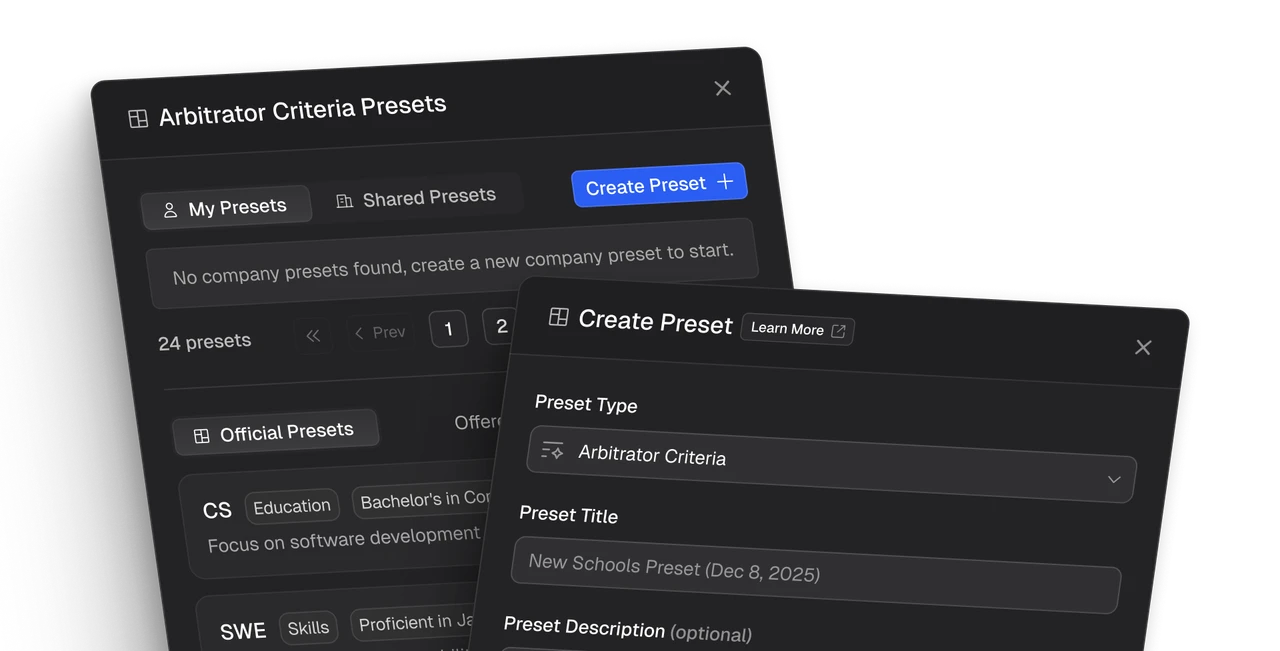
Criteria proven on one requisition become presets any team can start from, so the next role opens with the last role's learning.
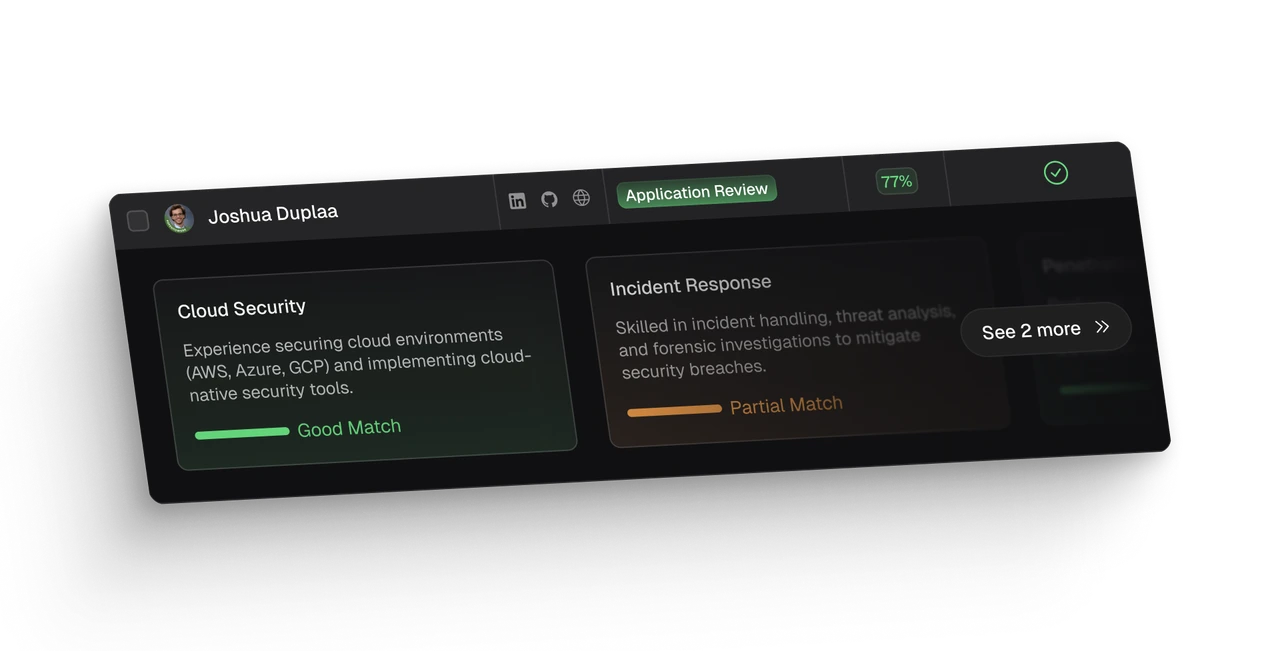
Each decision carries the lines it was based on, which is what an internal audit or a hiring committee actually wants to see.
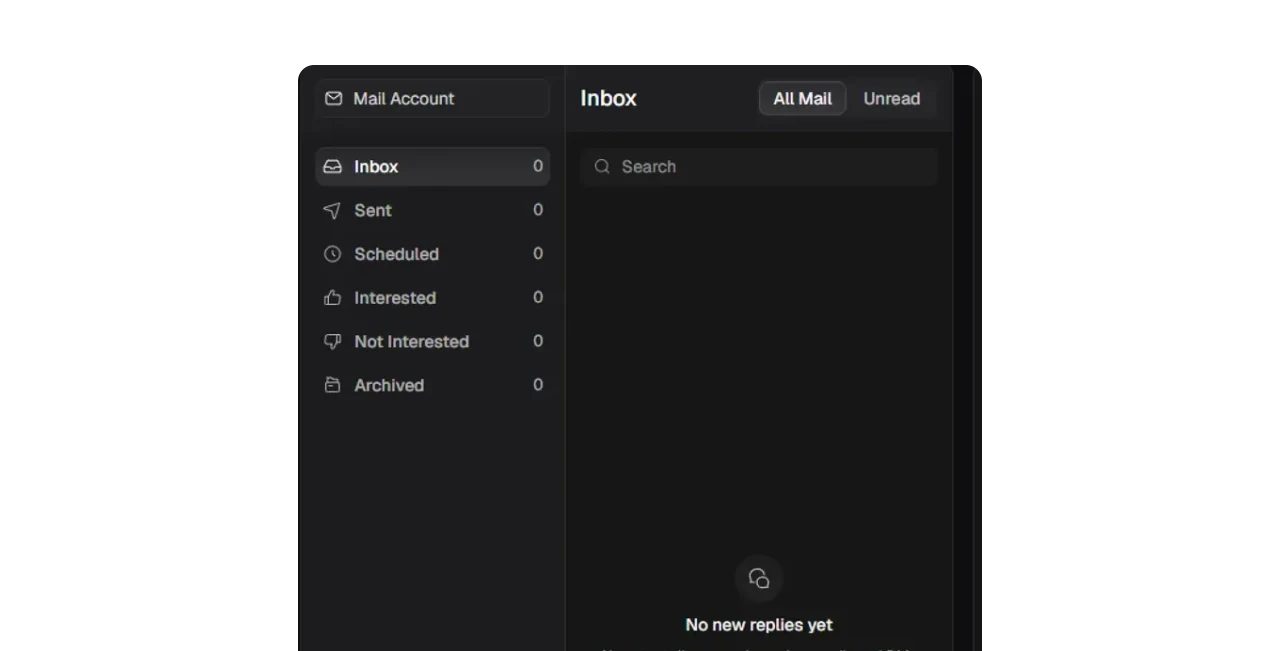
Sequences send from recruiters' own mailboxes with every reply in a shared inbox, visible to the team instead of trapped in one account.







Connect Arbi to your existing stack with 50+ integrations built for modern hiring workflows.





Criteria live on the requisition instead of in a recruiter's head. Every applicant in every region is read against the same written bar, and every verdict records the evidence it was based on, so two offices can disagree about a candidate and settle it by reading.
Arbi syncs in both directions with the systems enterprises already run, marks the people who exist in your ATS, and pushes new candidates into jobs or sequences in one click. Your system of record stays the system of record.
Workspaces are isolated per account, access is role-based, and candidate data is handled to the standards your security team will ask about in the first meeting. Our team walks procurement through the details whenever you are ready.
Yes. Each requisition carries its own criteria, sequences, and reviewers, so engineering and finance can hire differently while leadership still sees one pipeline and one standard of evidence.
In waves, and without a migration project. Recruiters keep working in the ATS they know while Arbi takes over sourcing and the first read. Most teams see the first screened shortlists in the first week of a pilot.
Annual seats with credits pooled across the account, so a quiet team does not strand an allowance a busy one could have used. Volume terms and a pilot structure are part of the first conversation with our team.