
The problem
The hardware market in Asia Pacific does not wait. Samsung's inbound volume was healthy and its conversion was not, and the reason turned out to be embarrassingly mechanical: the median applicant heard back after six days, by which point the strongest ones had already accepted somewhere else.
This is not a motivation problem. Every recruiter on the team knew that response time mattered. They were simply holding more open reqs than a person can triage in a day, and the queue grew faster than it drained.
What the volume trap looks like
The response to a poor reply rate is almost always to send more. Reply rates fall, so volume rises to compensate, so each message gets less thought, so reply rates fall again. Samsung was one loop into this and could see where it went.
The thing that survives contact with a busy engineer is not length or polish. It is a sentence that could only have been written about that person: a reference to a specific project, a talk they gave, an unusual path between two roles. Anything that proves a human read the profile before the message went out.
What performs worst is the middle. A hundred and twenty words of generalities is long enough to demand attention and short enough to say nothing.
What changed
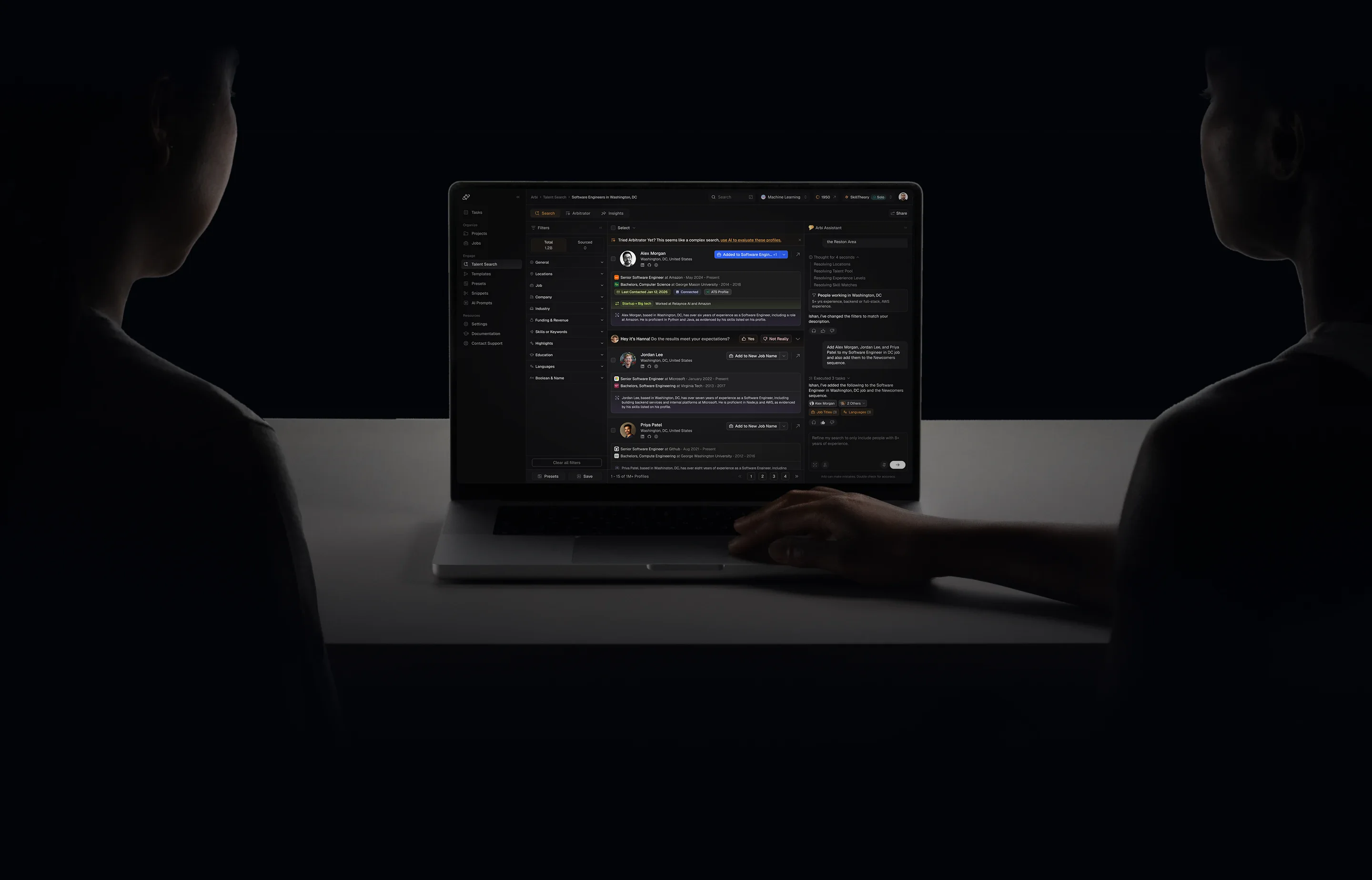
Screening verdicts now arrive with the applicant, not four days later, so triage stops being a separate task somebody schedules. The queue drains at the rate applications arrive rather than at the rate a person can get to them.
Outreach changed in the other direction. The team sends meaningfully fewer messages than it did a year ago, because the pool it is writing to has already been narrowed to people worth writing a real sentence about.
What it did not fix
Speed does not make a role attractive. Two of the reqs that were slowest to fill are still the slowest to fill, because the compensation band is wrong for the market and no response time repairs that.
Being fast is worth a great deal when the offer is competitive. It is worth nothing when it is not, and it is better to know which situation you are in.